
Prohibited Goods, Restricted Goods and Import Permits: What to Check Before You Order
The difference between goods that cannot be imported at all and goods that can with a permit, plus how to check before you pay the supplier.
· 8 min read
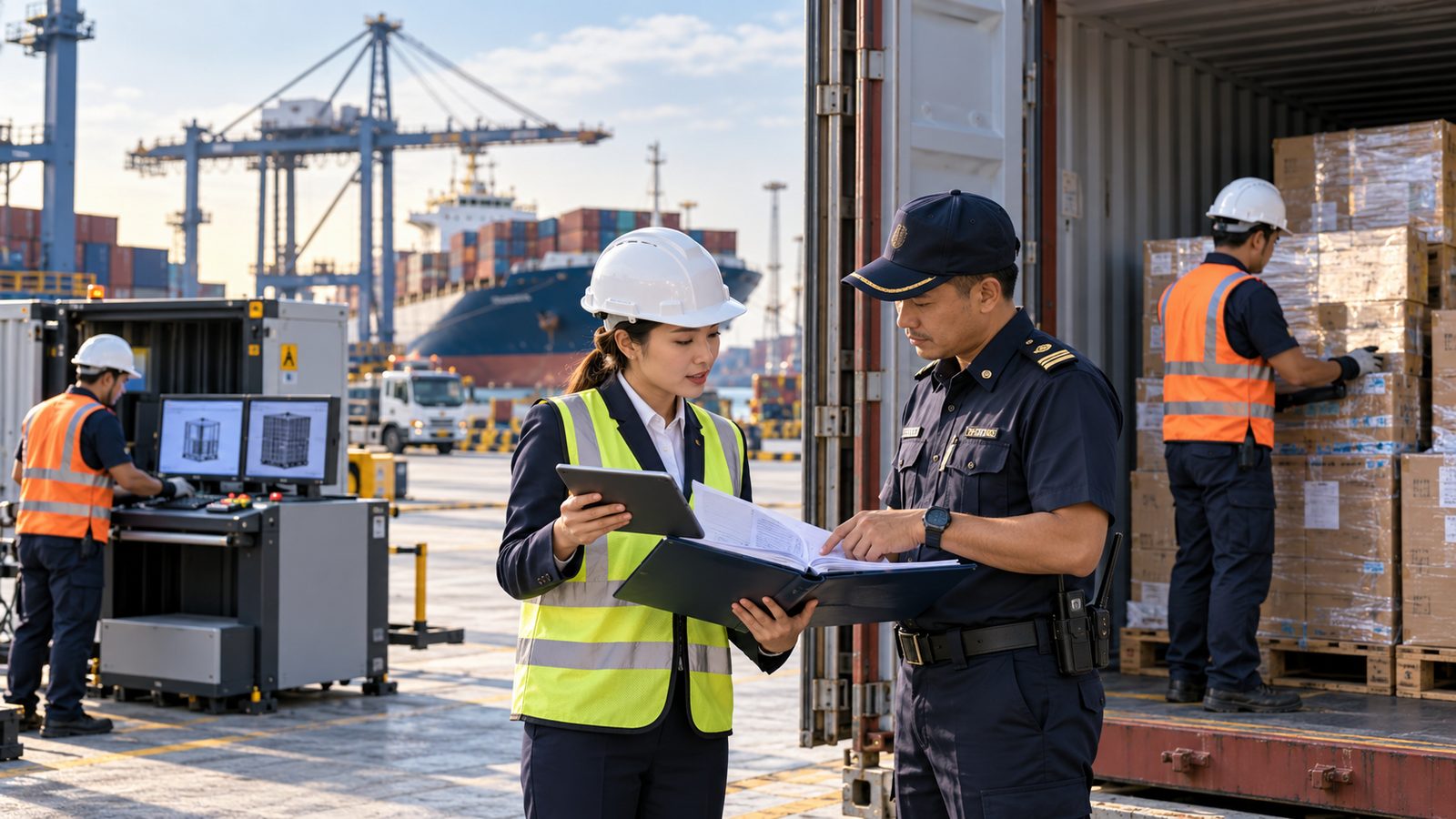
Most importers know their goods have to be "cleared". Far fewer know what happens in between — so when cargo sits at the port, nobody knows who to chase.
A single ocean import passes through many hands: the overseas supplier, the carrier, the port, Thai Customs, any licensing agency, and the customs broker. Without a map of who does what and when, a delay is impossible to chase. This article walks the whole route.
| Step | What happens | Who handles it |
|---|---|---|
| 1 | Supplier ships the goods and issues the document set | Supplier / origin agent |
| 2 | Carrier confirms the arrival date and sends the arrival notice | Carrier |
| 3 | Freight and destination charges settled, bill of lading exchanged for a delivery order | Importer |
| 4 | Import declaration prepared and filed electronically | Customs broker |
| 5 | Duty and tax paid; the system assigns an inspection channel | Importer / Customs |
| 6 | Release at the port, then haulage or collection | Broker / transport |
The base set is the commercial invoice, packing list and bill of lading, plus a certificate of origin if you intend to claim a preferential duty rate under a free trade agreement.
Some goods need a permit from the relevant authority first — food and cosmetics, medical devices, telecommunications equipment, and anything subject to a mandatory standard. These permits are not issued overnight. Start before you place the order, not when the vessel is already alongside.
Ask the supplier for draft documents before the vessel sails and have your broker check them. Amending a bill of lading after departure is slow and costs money.
The bill of lading is a document of title. The carrier will not release cargo until it has been surrendered and destination charges are settled; it then issues a delivery order.
If the supplier couriers original documents and they arrive after the vessel, the cargo sits while everything else is ready. Agree on telex release or a surrendered bill of lading in the contract to avoid this entirely.
Declarations are filed electronically with Thai Customs. You declare the tariff classification, the customs value, any preferential treatment claimed, and the transport details.
Two fields cause most of the expensive problems: the tariff code and the customs value. The wrong code means the wrong duty rate and can forfeit an FTA benefit; an understated value is reassessed, with penalties.
Once the declaration is filed and duty paid, the system assigns a channel based on risk criteria.
You cannot choose your channel, but consistently accurate declarations reduce the odds of being selected. A clean declaration history matters over time.
After release you can haul the container or collect loose cargo. Book transport in advance, particularly before long public holidays when haulage capacity is tight.
| Cause | How to prevent it |
|---|---|
| Original bill of lading arrives late | Agree telex release in the contract |
| Import permit not yet issued | Apply before ordering, not before arrival |
| Certificate of origin in the wrong format | Review a draft before the supplier issues the original |
| Details disagree between documents | Check description, quantity and weight match on every page |
| Destination charges unpaid | Request the invoice as soon as the arrival notice lands |
Free time starts at discharge, not when your paperwork is ready. Every day spent chasing a document is a day of free time already spent, and once it runs out the daily charges begin.
Procedures, timings and document requirements change with notifications from Thai Customs and other agencies. Confirm the current position with your broker for any live shipment.
#พิธีการศุลกากร #นำเข้า #ใบขนสินค้า #ตรวจปล่อย #ชิปปิ้ง #กรมศุลกากร
The difference between goods that cannot be imported at all and goods that can with a permit, plus how to check before you pay the supplier.

The two charges importers pay most often without realising. What separates them, who bills them, and how to plan so you never see them.

Each core document explained: who issues it, what it does, and the details that most often go wrong and cost time and money.