
Prohibited Goods, Restricted Goods and Import Permits: What to Check Before You Order
The difference between goods that cannot be imported at all and goods that can with a permit, plus how to check before you pay the supplier.
· 8 min read
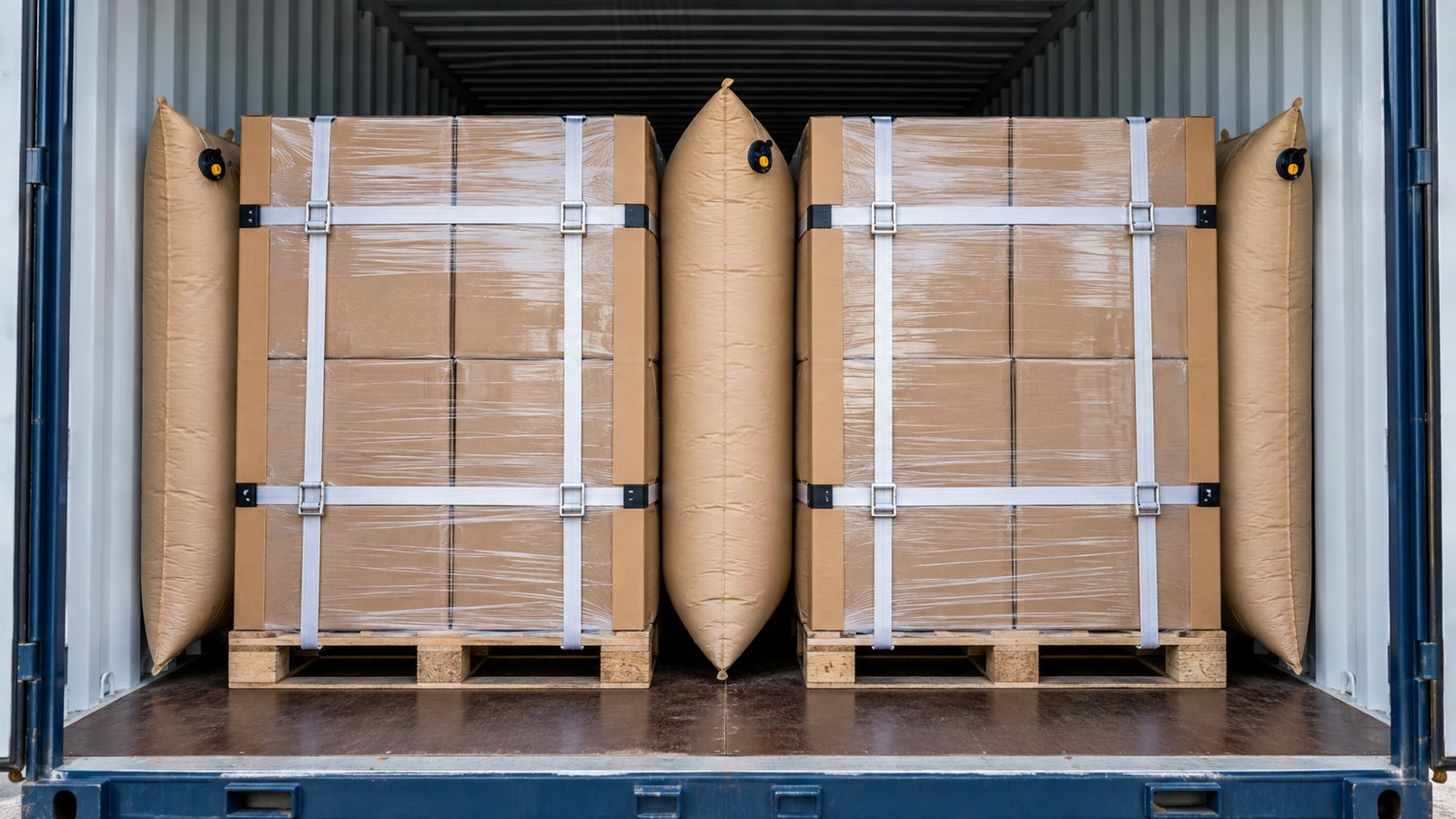
One wrong Incoterm can leave you paying freight twice, or carrying the risk of damage to goods you have never touched.
Incoterms are the standard trade terms published by the International Chamber of Commerce. The current edition is Incoterms 2020, and its job is to answer three questions clearly so nobody argues about them later.
Incoterms do not cover title to the goods, payment terms, or governing law. Those belong in the sales contract.
| Rule | Name | Risk passes when |
|---|---|---|
| EXW | Ex Works | Goods are made available at the seller works |
| FCA | Free Carrier | Handed to the carrier the buyer nominated |
| CPT | Carriage Paid To | Handed to the first carrier |
| CIP | Carriage and Insurance Paid To | Handed to the first carrier, seller insures |
| DAP | Delivered at Place | Arrived at destination, not unloaded |
| DPU | Delivered at Place Unloaded | Arrived and unloaded |
| DDP | Delivered Duty Paid | Arrived, cleared and duty paid |
DPU is the 2020 replacement for DAT, and it is the only rule requiring the seller to unload at destination.
| Rule | Name | Risk passes when |
|---|---|---|
| FAS | Free Alongside Ship | Placed alongside the vessel |
| FOB | Free On Board | Goods are on board |
| CFR | Cost and Freight | Goods are on board; seller pays freight |
| CIF | Cost, Insurance and Freight | Goods are on board; seller insures |
These four should not be used for containers. In practice the shipper hands the box over at the container yard, not alongside the ship, which leaves a gap where nobody clearly carries the risk. The ICC recommends FCA instead.
CIF requires only Institute Cargo Clauses (C), which covers major casualties such as sinking, collision and fire. It does not cover theft, breakage or rain damage. For all-risks cover you must specify ICC(A) in the contract or arrange your own policy. CIP was upgraded in 2020 and now requires ICC(A).
Under EXW the seller only makes the goods available at their premises. Everything else is the buyer responsibility, including export clearance in the origin country — which a foreign buyer usually has no legal standing to file. FCA is almost always the better choice.
DDP sounds convenient, but an overseas seller is rarely VAT-registered in Thailand, so the import VAT cannot be reclaimed and becomes a sunk cost. If you want delivery to your door, DAP is usually better, with the buyer handling import clearance and tax.
Always state all three parts: rule + named place + edition.
FCA Shanghai Port, Incoterms 2020DAP 3656/30 Rama IV Road, Bangkok, Incoterms 2020CIF alone — no named port, no editionIf you want control over freight cost, buy FCA (or FOB for bulk) and appoint your own forwarder: you see the real cost structure and choose your own insurance. If you would rather not deal with it and accept that freight is priced into the goods, CIF or CPT work — just check whether the insurance is actually adequate.
#Incoterms #ศุลกากร #นำเข้าส่งออก #โลจิสติกส์ #FOB #CIF
The difference between goods that cannot be imported at all and goods that can with a permit, plus how to check before you pay the supplier.

The two charges importers pay most often without realising. What separates them, who bills them, and how to plan so you never see them.

Each core document explained: who issues it, what it does, and the details that most often go wrong and cost time and money.